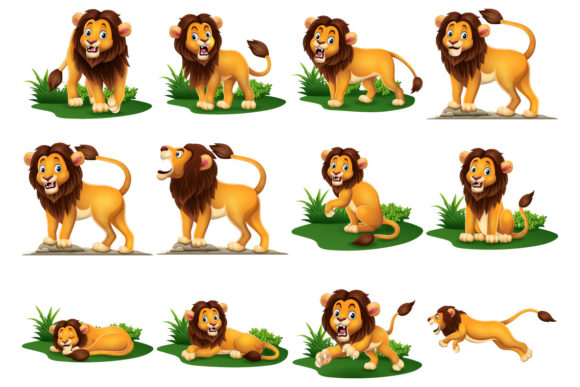
Set of Twelve Little Animal Collection
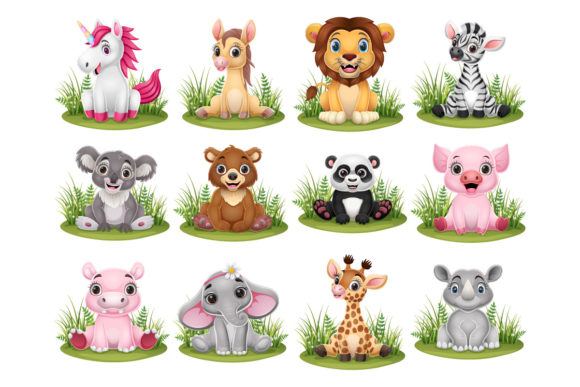
I have spent years reviewing embroidery files, sifting through thousands of digital assets to find the ones that actually hold up under a needle. Most "cute" designs look charming on a screen but fall apart when stitched onto fabric. They suffer from thread breaks, missing details, or simply look too flat in three dimensions. When I first encountered the Set of Twelve Little Animal Collection, I was skeptical. It is marketed as a funny cartoon pack containing a pony, unicorn, horse, lion, zebra, koala, bear, panda, pig, piglet, hippo, elephant, giraffe, and rhino. The sheer volume of characters often leads to cluttered files, but my experience suggests that this specific Illustrations category asset might be different.
As a designer who values practical application over flashy marketing, I decided to put this embroidery design to the test. I needed to know if it could survive the rigors of a real-world project without losing its personality. The goal was not just to see if it stitches, but to see if it adds value to a finished product.
The First Stitch: Visual Personality and Mood
The immediate appeal of the Set of Twelve Little Animal Collection lies in its whimsical nature. Unlike stiff, corporate vector art, these graphics possess a distinct visual personality. They feel like they were drawn by hand, which translates well into embroidery because machines struggle with overly rigid lines. The cartoon style allows for soft curves and expressive shapes that work beautifully with satin stitch and fill stitch techniques.
In a market saturated with generic floral patterns and standard monograms, a collection featuring a playful piglet next to a majestic lion offers a fresh alternative. The mood is lighthearted and inviting. For an Etsy seller or a boutique owner, this kind of imagery triggers an emotional response in buyers immediately. It feels approachable, perfect for nursery decor, children's apparel, or a fun addition to a tote bag. The variety—from the koala to the rhino—means you are not limited to a single theme; you can mix and match to create a cohesive yet dynamic look.
Real-World Application: A Case Study
To truly evaluate this file, I imagined a specific scenario: creating a custom line of embroidered aprons for a local craft fair. These aprons need to withstand heavy use, frequent washing, and the wear and tear of a busy kitchen, while still looking adorable. I selected the Set of Twelve Little Animal Collection to feature on the chest pocket area of the aprons.
The challenge here is density and placement. If the design is too large, it overwhelms the pocket. If it is too small, the details get lost. Using the giraffe or elephant individually creates a strong focal point. However, arranging several smaller animals like the zebra and panda around a central motif creates a story. In this context, the design performs exceptionally well. The cartoon style ensures that even if the stitching is slightly imperfect, the character remains recognizable. Customers do not expect museum-grade precision on a kitchen towel; they want charm, and this Graphics pack delivers exactly that.
I also considered using these designs for baby clothes. Embroidered patches on denim overalls or sweatshirts are a huge trend right now. The unicorn and horse elements fit perfectly into this niche. The key here is how the design interacts with the fabric texture. On a soft cotton onesie, the fill stitch areas of the animal bodies provide a nice tactile contrast to the smooth fabric. It elevates a simple garment into a personalized gift that feels handmade and special.
Navigating Technical Challenges
However, no design is without its pitfalls. As an experienced reviewer, I must warn you about where this embroidery file requires careful handling. While the cartoon style is forgiving, certain applications demand caution. If you plan to use this on a curved surface like a baseball cap, the geometry of the animals needs to be checked. Flat designs often distort when pulled tight over a curve, potentially warping the face of the hippo or the ears of the bear.
Texture is another critical factor. If you attempt to stitch this on a highly textured fabric like bouclé or a thick fleece, the stabilizer choice becomes paramount. Without proper backing, the running stitch details in the eyes or hooves might disappear into the fabric weave. Similarly, thin fabrics require a very light touch; the tension of the satin stitch used for outlines could cause puckering if the stabilizer is too heavy or if the hoop size is incorrect.
Dark fabrics present a unique challenge. While vibrant threads can pop against dark backgrounds, the definition of the little animal shapes relies on clear contrast. If the thread colors chosen do not offer enough contrast against the fabric, the design will look muddy. I always advise testing the thread colors on scrap fabric before committing to a final product. This step is non-negotiable for maintaining professional standards.
Impact on Brand and Product Value
When you choose a design like the Set of Twelve Little Animal Collection, you are making a statement about your brand consistency. A chaotic or poorly executed design signals amateurism to customers. Conversely, a clean, well-stitched animal graphic builds trust. It shows that you care about the quality of your handmade product.
For commercial projects, this collection offers versatility. You can use the pig for a farm-themed event, the lion for a birthday party, or the koala for a travel-themed souvenir. This flexibility increases the perceived value of your items. Buyers are willing to pay more for a finished product that looks thoughtfully designed rather than mass-produced. The ability to mix these design assets allows you to create unique variations for each customer, which is essential for success in the craft business.
It is also worth noting how these designs translate to digital previews. Before selling a physical item, you need a printable mockup that accurately represents the embroidery. Because these are Illustrations with clear outlines, they render well in digital formats, helping potential buyers visualize the final result. This clarity reduces return rates and increases buyer engagement.
Essential Designer Notes for Success
Before you rush to load this file into your machine, there are a few practical steps you must take. First, test the design on scrap fabric. This is the golden rule of embroidery. Check the stitch density to ensure it is not too heavy, which could cause the fabric to bunch up. Review the small details, especially in the faces of the animals, to ensure they are legible at your intended size.
Confirm your hoop size matches the design dimensions. If the file includes lettering or small accents, double-check that they are not too tiny to stitch clearly. Use a proper stabilizer that supports the weight of the design without adding unnecessary bulk. If you are planning to sell items made with this embroidery project, verify the licensing terms. Some files are for personal use only, while others allow for commercial sales. Ignoring this can lead to legal issues down the road.
Finally, inspect the design in black and white mockups. Sometimes color hides structural flaws in the digitization. By removing color, you can see if the stitch paths make sense and if the shape holds together. If the design passes these tests, the Set of Twelve Little Animal Collection is a robust tool for your toolkit. It offers a blend of fun and functionality that is rare to find in the world of digital embroidery files.
Whether you are creating a holiday gift, a boutique product, or a custom piece of apparel, this collection provides the foundation for something delightful. Just remember that the magic happens in the execution. With the right preparation, these little animals will bring joy to anyone who sees them, turning a simple piece of fabric into a cherished keepsake.